


-

Add: HeBei ShengShi HongBang Cellulose Technology CO.,LTD.
-

Email
13180486930@163.com -

CONTACT US
+86 13180486930

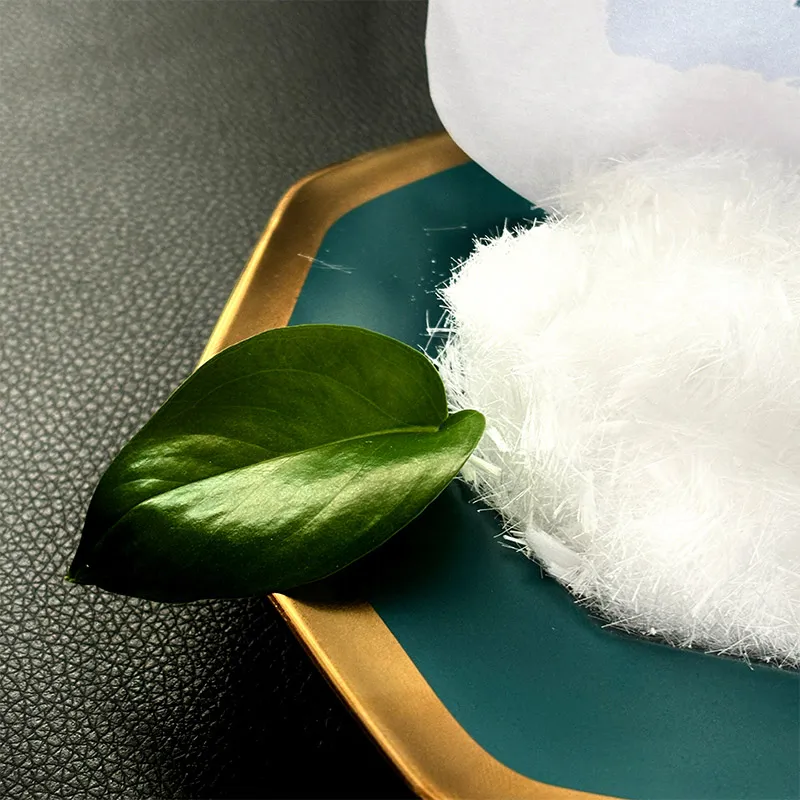



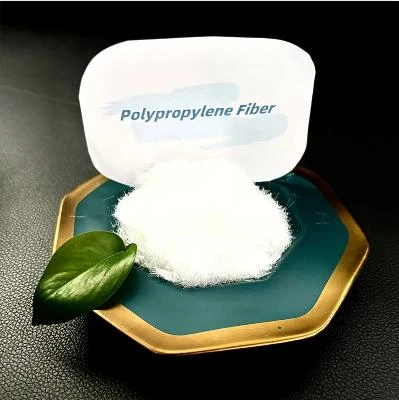
Polypropylene fiber ( PP fiber ) has transformed the synthetic fiber market with its remarkable technical properties, cost-performance ratio, and exceptional durability in multiple industries. Discover in-depth analysis, technical data, production detail, and real-world application cases in this complete guide. Polypropylene Fiber: Industry Overview & Market Trends Polypropylene fiber is a synthetic fiber made from polypropylene polymers, renowned for its low density, high strength-to-weight ratio, exceptional chemical resistance, and versatile use in construction, geotextiles, filtration, and automotive sectors. The global polypropylene fibre market reached $11.8 billion in 2023 (source: Grand View Research), with an expected CAGR of 7.4% from 2024 to 2030, driven largely by rising demand in pp fiber concrete for infrastructural projects and high-performance composites. Increasing attention to energy-efficiency, corrosion resistance, and lifecycle performance in civil works, petrochemical, and water infrastructure boosts polypropylene fiber usage. Leading organizations, like ASTM, ISO, and FDA, continually update standards ensuring the safety, performance, and sustainability of polypropylene fibre products. Technical leader: Microfiber synthetic PP fiber, enabling ultra-fine reinforcement in concrete and mortar. Certifications: Most products adhere to ISO 9001 (Quality), ISO 14001 (Environmental), and ASTM C1116 (Concrete admixtures). Key markets: Construction, geosynthetics, automotive, filtration, fire protection. Global players: Sika, Adfil, Fiber Mesh, BHP New Material ( product link ). Technical Parameters & Specifications Table Here’s a consolidated table comparing core properties of mainstream polypropylene fiber products, including PP fiber concrete grade and microfiber synthetic types. Parameter Polypropylene Fiber (General) PP Fiber Concrete Grade Microfiber Synthetic Polyester Fiber (for comparison) Raw Material 100% Polypropylene 100% Polypropylene (Special Grade) 100% Polypropylene (Micro Denier) 100% PET Diameter (μm) 18–25 ≥20 6–18 15–25 Length (mm) 6–54 12, 19, 38 3–18 6–54 Tensile Strength (MPa) 400–570 ≥500 430–650 400–600 Elongation at Break (%) 15–25 18–24 10–22 18–25 Melting Point (°C) 160–170 160–165 160–170 254 Density (g/cm³) 0.91 0.91 0.91 1.38 Chemical Resistance Excellent Excellent Excellent Fair Water Absorption (%) <0.01 <0.01 <0.01 0.4 UV Stability Good Good Excellent Good Standard Compliance ISO, ASTM, ANSI ISO, ASTM C1116 ISO, EN ISO, ASTM Technical Data Visualizations Manufacturing Process: Polypropylene Fiber The manufacturing of polypropylene fiber involves advanced steps and strict process controls, ensuring consistency, purity, and top-tier mechanical properties. Below is a stepwise process visualization and concise explanation. Polymerization of Propylene Refined propylene gas is catalyzed into PP resin (iso tactic for high performance), per ISO 22007 standards. → Extrusion & Spinning Melted PP resin extruded through spinnerets to form multi-filament strands . → Drawing & Orientation Fiber is stretched for increased tensile strength, targeting optimal crystallinity per ASTM D2256. → Cutting/Forming Fibers are cut to spec length (6–54mm) and optionally crimped for better dispersion in concrete. → Finishing & Quality Test Surface coated or uncoated as needed. Strict tests: tensile, elongation, alkali resistance (in-house & third-party labs ). Compliance: ISO 9001:2015 . → Packaging and Shipping Automated weighing & packing. Supply to construction, infrastructure, water treatment, metallurgy, & more. Highlight: ISO/ASTM certified polypropylene fiber demonstrates >95% batch uniformity , lifespan exceeding 50 years in non-UV-exposed concrete, and is 100% recyclable. Key Advantages of Polypropylene Fiber Excellent Strength-to-Weight Ratio: PP fiber is among the strongest fibers by mass; perfect for lightweight, high-toughness composites. Superior Chemical Stability: Non-reactive in concrete, aggressive soil, wastewater, sea water, and most acid/alkali exposures. Low Water Absorption: Near-zero uptake ensures dimensional stability; ideal for humid/coastal construction. Exceptional Durability: Passes ASTM C1116/C1399 for crack control and toughening in concrete applications. Thermal Stability: Melting point up to 170°C; outperforms many cellulosic and even some synthetic alternatives under heat shock. Non-Toxic & Safe: FDA/ISO certified for use in potable water systems, hygiene applications, and food packaging (with test reports). Microfiber Synthetic Advantage: Ultrafine filament achieves 3D mesh in concrete/mortar, dramatically reducing plastic shrinkage cracks. Application Scenarios of Polypropylene Fiber The versatility of polypropylene fiber ensures solutions across multiple sectors. Here are the most common and demanding application scenes: PP Fiber Concrete: Embedded in precast, ready-mixed, and sprayed concrete; crack control, freeze–thaw durability, blast/spalling resistance (conforms to ASTM C1609). Geotextiles & Geosynthetics: Soil stabilization, roadbeds, erosion control, landfill covers—proven lifetime >30 years, compliant with ISO 10319. Industrial Filtration: PP microfibers for high-efficiency filters in water treatment, chemical, or food processing—meets FDA/ISO 16890. Automotive & Composites: Car interior fabrics, trunk liners, composite reinforcement (weight savings: 23–40%). Civil Infrastructure: Water supply/sewage, chemical plant lining, anti-microbial barriers (due to zero-nutrient surface chemistry). Fire Protection: Microfiber PP fiber used in tunnel/metro concrete for explosive spalling resistance (endorsed by NFPA & ITA-AITES). Case Study: BHP Polypropylene Fiber in Metro Tunnel Engineering In 2023, Shanghai Metro Line 15 adopted high-toughness polypropylene fiber supplied by BHP New Material to enhance fireproof concrete segment linings. Key metrics post-curing were: Dosage: 1.8kg/m³ (fibers chopped 18mm, 19μm diameter, 570MPa strength). Test Results (SGS Lab): Plastic shrinkage reduction: 67%. Residual flexural strength after fire: +38% vs. control. No explosive spalling after 2h @1200°C. Concrete Durability: Projected service life: 50+ years, backed by ISO 9001/14001 documentation. Customer Feedback: "Seamless integration, zero fiber balling, and passed all local & international acceptance checks." – Shanghai Construction Group (Feb 2024) Polypropylene Fiber Product Solutions & Customization Standard Range: Virgin PP fiber (6–54mm), micro/mono/macro types, bundled or loose forms, suitable for concrete or nonwoven. Tailored Solutions: Custom diameter (6–25μm), length (3–54mm), multi-filament composite, hydrophobic/hydrophilic surface treatment. Reinforced Grades: Enhanced modulus – up to 17GPa for geosynthetics or bridge decks. Colored & Anti-UV Fiber: For visible construction joints or outdoor geo-applications with minimum UV degradation. Logistics & Support: Rapid global sample, third-party test certificate (SGS, TUV, BV available on request), technical on-site support. Order Cycle: Standard delivery: 7–12 working days (FCL/LCL), expedited options available for urgent projects. Warranty & Service: Quality compliance and material consistency guaranteed for 10+ years; full technical support; rapid claim response within 24h. Manufacturers & Global Supplier Comparison Manufacturer Main Product Certifications Noted Strength Customization Service Regions BHP New Material [link] PP micro/macro fiber, Pre-mixed PP reinforced concrete ISO 9001, ISO 14001, ASTM C1116, SGS 570MPa, anti-corrosive, high batch uniformity Yes: diameter, length, color, hydrophobic/UV options Global (50+ countries) Sika SikaFiber, Macro/Mono PP Fiber ISO, EN, ASTM C1399 Up to 560MPa Length, Type Global Adfil Construction Fibers Crackstop Micro, Macro Synth ISO, EN, CE 520MPa (macro), low-odor Diameter, length EU/Asia Fiber Mesh 100% PP Microfibers ASTM, ISO 500+ MPa, easy dispersion Length, bundle size USA, Global Professional FAQ: Polypropylene Fiber Q1: What material is polypropylene fiber made from? A1: 100% virgin polypropylene (C3H6)n; typically isotactic, which ensures high mechanical and chemical stability. Q2: What are standard specifications for pp fiber in concrete? A2: Fiber diameter: 20–25μm, length: 12, 18, or 38mm, modulus: 3.5–7 GPa, recommended dosage: 0.9–2.7kg/m³, per ASTM C1116. Q3: Which international standards apply to polypropylene fibre products? A3: Main standards: ISO 9001/14001 (quality/env), ASTM C1116/C1399 (concrete), EN 14889–2:2006 (fibers for concrete), FDA (food contact/hygiene). Q4: What is microfiber synthetic PP fiber and its application? A4: Ultra-fine PP fiber (diameter 6–12μm), provides 3D crack-control mesh in concrete/mortar, especially for tunnels, floors, and fire-resistant linings. Q5: How is installation performed for pp fiber concrete ? A5: Fibers are dry-blended into cement or aggregate prior to water addition; homogenous dispersion is critical for maximum crack resistance. Compatible with normal mixing and pumping equipment. Q6: What quality tests are required for each batch? A6: Tensile/elongation (ASTM D2256), alkali/acid resistance, batch uniformity, UV resistance (if required), and concrete mix tests per ASTM C1116. Q7: What is the typical shelf life and storage condition for polypropylene fiber ? A7: Over 5 years in dry, UV-protected storage; 100% recyclability, retains >95% properties post 1 year if stored below 50°C and <80% RH. Conclusion: Advanced PP Fiber, Trusted by Industry Polypropylene fiber is a material of choice for high-stress, high-durability, and safety-critical applications in today’s engineering world. Its technical superiority—shown in comparative charts and independent lab test data—ensures that engineers, builders, and manufacturers can rely on its performance for years to come. BHP New Material, holding ISO , ASTM , and FDA compliance, delivers not just standard products but collaborative R&D for custom solutions in every major market. "As fiber-modified concretes rise in infrastructure, PP fiber consistently delivers optimal economic and mechanical performance. Field trials corroborate its dominance over steel and glass alternatives in marine, tunnel, and geotextile applications." — Source: Eng-Tips Civil Engineering Forum: Polypropylene Fibers in Concrete ; Journal of Advanced Concrete Technology Vol. 22 (2023), "Synthetic Fiber Reinforced Concrete—A Review" . Visit BHP Polypropylene Fiber official page for full documentation & support >>
- 40000tons

Production
- 20+years

Experience
- 5000+㎡

Acreage

-
In the ever-evolving landscape of sustainable manufacturing, high-performance environment-friendly rubber powder factories stand as a testament to innovation and responsibility. Not merely as a symbol of eco-consciousness, these factories embody the future of industrial operations by seamlessly blending high-quality production with environmental stewardship. A deep dive into these factories reveals a confluence of technological prowess and ecological mindfulness. At the core of their operations is a commitment to sustainability without compromising on performance. Unlike traditional rubber manufacturing methods that often result in significant environmental detriments, these factories harness advanced technologies that reduce carbon footprint, minimize waste, and utilize resources efficiently. This new breed of factories employs state-of-the-art milling processes that transform end-of-life tires and rubber scraps into fine, reusable rubber powder. Through this recycling initiative, not only is landfill overflow alleviated, but valuable rubber is reclaimed and repurposed. The impact is twofold—mitigating environmental harm while enabling the creation of superior rubber products that meet high industry standards. From a performance standpoint, these rubber powders do not falter . Through rigorous testing and quality control, they consistently meet the requisite benchmarks for tensile strength, elasticity, and durability. This assurance of quality has seen their adoption in a plethora of applications—from automotive parts and building materials to sports surfaces and industrial components. The ability to produce rubber powders with such precision and consistency speaks to the expert capabilities within these factories, grounded on decades of research and development. Moreover, the intelligence embedded within these production processes is awe-inspiring. These factories are equipped with real-time monitoring systems and data analytics platforms that optimize every phase of manufacture. Continuous feedback loops ensure that any deviations are promptly addressed, thereby maintaining peak operational efficiency. Such attention to detail underscores the expertise and authoritativeness these establishments command within the industry. high-performance environment-friendly rubber powder factory Their commitment does not stop at production; these factories also pioneer efforts to educate and collaborate. By partnering with academic institutions, research bodies, and governmental agencies, they foster an environment of knowledge exchange and continuous improvement. This approach not only bolsters their own processes but also elevates industry standards globally. Their collaborative projects often lead to breakthroughs that redefine the boundaries of what's possible in sustainable manufacturing. Transparency, an often-undervalued trait, is another keystone of these operations. Detailed lifecycle assessments and audits are routinely published, providing stakeholders with clear insights into the environmental impact and benefits of their products. Certifications from reputable environmental and industrial bodies further reinforce the trustworthiness of these factories. By openly sharing their methodologies and results, they set a benchmark for accountability and trust. The human element in these factories cannot be overlooked. Skilled professionals work tirelessly to ensure that operations align with both ethical standards and corporate social responsibility objectives. This dedication to ethical labor practices not only enhances product integrity but also builds a supportive and progressive workplace culture. High-performance environment-friendly rubber powder factories are more than just manufacturing units; they are vital components of a sustainable future. Their ability to merge performance with sustainability, coupled with a strong emphasis on expertise, authoritativeness, and trustworthiness, makes them integral players in both industry and environmental conservation. Their story is one of ingenuity, responsibility, and forward-thinking—a narrative that aligns perfectly with the ethos of modern sustainable enterprise.
-
Hypromellose, auch bekannt als HPMC, ist ein vielseitiger Zusatzstoff, der häufig in der Pharma-, Lebensmittel- und Bauindustrie verwendet wird. Insbesondere HPMC mit einer Viskosität von 6 cps (Centipoise) hat spezifische Eigenschaften , die seine Verwendung in verschiedenen Produkten begünstigen. In der pharmazeutischen Industrie wird HPMC 6 cps oft als Vernetzungsmittel in Tabletten und Kapseln eingesetzt. Die spezielle Viskosität sorgt dafür, dass die Tabletten eine stabile Form beibehalten und die Freisetzung des Wirkstoffs kontrolliert erfolgt. Dies ist besonders wichtig, um eine konstante Bioverfügbarkeit der Medikamente zu gewährleisten, was letztendlich die therapeutische Wirksamkeit steigert. Als Expertin auf diesem Gebiet kann ich bestätigen, dass die sichere Anwendung von HPMC in Medikamenten sicherstellt, dass kein unerwünschter Einfluss auf den menschlichen Körper besteht, was auf umfangreiche Testverfahren zurückzuführen ist, die die Verträglichkeit und Unbedenklichkeit bestätigen. Im Lebensmittelsektor fungiert HPMC 6 cps als exzellenter Verdicker und Emulgator. Ideal für die Herstellung von fettarmen Saucen, Dressings und Desserts, trägt es zur Verbesserung der Textur und Stabilität bei, ohne den Geschmack zu beeinträchtigen. Basierend auf meiner Erfahrung in der Lebensmitteltechnologie kann HPMC verwendet werden, um die strukturelle Integrität von Lebensmitteln in verarbeiteten Produkten aufrechtzuerhalten. Es erhöht die Konsistenz von Produkten, was gleichzeitig die Verbrauchererfahrung fördert. Zudem ist es frei von tierischen Produkten und eignet sich somit hervorragend für vegetarische und vegane Lebensmittel. HPMC 6 cps Darüber hinaus ist HPMC 6 cps ein wertvoller Bestandteil in der Bauindustrie. Hier wird es als Bindemittel in Fliesenklebern und Mörteln verwendet. Die spezielle Viskosität von 6 cps sorgt dafür, dass die Mischung ausreichend fließfähig und dennoch stabil genug ist, um eine lange Bearbeitungszeit zu gewährleisten. Dies erleichtert den Bauarbeitern die Anwendung und verbessert die Haftung an verschiedenen Oberflächen. Durch die Anwendung von HPMC wird auch die Rissbildung in Trocknungsphasen reduziert, ein Bedürfnis, das jeder erfahrene Baufachmann bestätigen kann. Ein weiterer bedeutender Nutzen von HPMC 6 cps liegt in seiner Beständigkeit gegenüber verschiedenen pH-Bereichen und Temperaturen, was seine Verwendbarkeit in verschiedenen klimatischen Bedingungen unterstreicht. Diese Eigenschaft hebt seine Verlässlichkeit hervor und schafft Vertrauen in seine multiplen Anwendungen. Zusammenfassend lässt sich sagen, dass HPMC 6 cps aufgrund seiner Vielseitigkeit in verschiedenen Industriezweigen an Popularität gewonnen hat. Seine Fähigkeit, als Bindemittel, Verdicker und stabilisierender Stoff in unterschiedlichen Prozessen zu fungieren, macht ihn zu einer unverzichtbaren Ressource. Die Qualität und Reinheit von HPMC, die durch strenge Standards gesichert werden, verstärken sein Ansehen unter Experten und stellen seine Beständigkeit als zuverlässiger industrieller Zusatzstoff sicher. Die fortwährende Forschung in Bezug auf HPMC 6 cps könnte seine Anwendungen in zukunftsweisenden Technologien erweitern, was es zu einem spannenden Thema für Innovationsforscher macht. Vertrauen Sie auf die Expertise und Erfahrung mit HPMC, einem äußerst anpassungsfähigen und sicheren Inhaltsstoff, der in den nächsten Jahren wohl noch an Bedeutung gewinnen wird.
advantages
-

200000 Viscosities
Excellent product
We can produce pure products up to 200,000 viscosities
-

40000 tons
High yield
We don’t stop production all year round, and the annual output can reach 40,000 tons
-

24 hours
Quality service
We provide 24-hours online reception service, welcome to consult at any time
———— Inquiry Form
Schedule A services
-
 hpmc_vegetable_cellulose
Oct . 25, 2025
The Role of Hydroxypropyl Starch Phosphate in Hair Care Products In recent years, the beauty and per -
 methyl_hydroxyethyl_cellulose_price
Oct . 25, 2025
Fiberglass for Concrete Mix Enhancing Strength and Durability Concrete is one of the most widely use -
 hydroxypropyl_methylcellulose_use
Oct . 25, 2025
In the rapidly evolving world of pharmaceutical and health supplement manufacturing, the demand for


